Alexandra Nowakowski & André Heyboer – Traviata, Buxton International Festival & Norwich (July-August 2026) – reviews
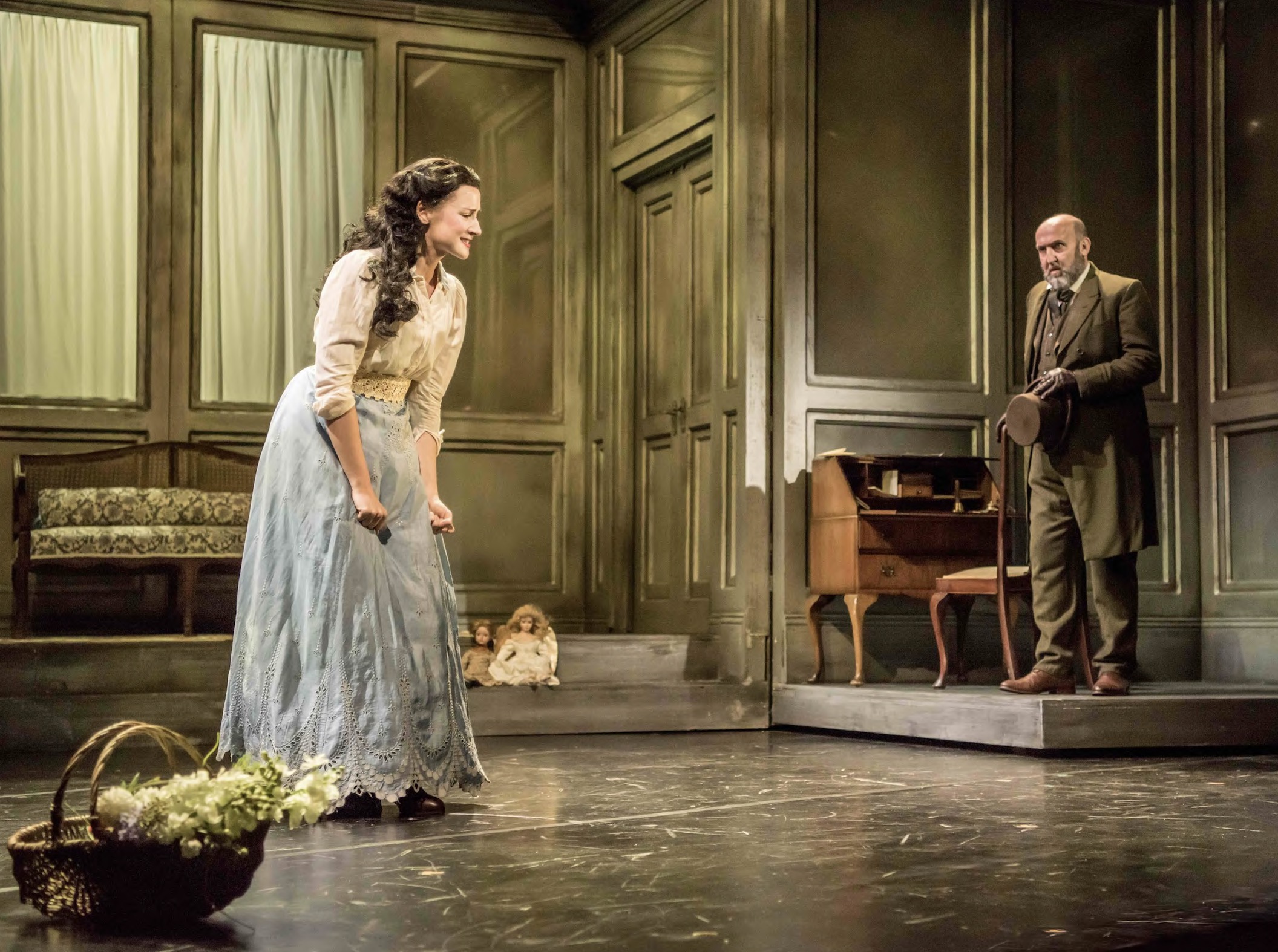
« A star is born at Buxton: Alexandra Nowakowski »
I was bowled over by the Polish-American coloratura soprano Alexandra Nowakowski as Violetta. On a personal note, this was one of the very first operas I ever saw, with the famous Montserrat Caballé in the main role. Wonderful though her singing was, along with her glorious dress, she certainly did not look the part of “the frail one”. Ms Nowakowski did, however, and I left the theatre hugely moved, so much did she embody the heroine’s consumptive weakness on stage. So who is this young singer, about whom I knew nothing?… the experienced French baritone André Heyboer as Alfredo’s father. The Article
There’s a fine line-up of leading singers: Alexandra Nowakowski, in the title role, has a richly-coloured soprano voice and acts the part with intelligence and youthful alertness to the story’s many implications… Andre Heyboer, a mostly unbendingly powerful baritone, fits the role of his puritanical father well. Theatre Reviews North
For his Violetta he has Alexandra Nowakowski, who, unlike some other singers of the role, is young and slender enough to look like a 24-year-old with consumption. Her voice has a rich lower timbre and is controlled, sweet and soulful. She injects imaginative feeling into her singing, too – « Sempre libere », for instance, not just an avowal of freedom but carrying the frisson of a woman experiencing Romantic love for the first time, and « Ah, dite all giovine » is as tender as « Amami, Alfredo » is passionate. Her final scene is very well acted – more through stance than imitation retching – and « Addio de passato » is sweetly lighter-toned and beautifully ended (pictured above)….And Giorgio Germont is sung by André Heyboer. His role, it seems, is to be puritanical and hypocritical – not the only way to characterize the anxious father (Piave and Verdi gave him touches of humanity, too), but his firmly resonant baritone carries that impression most of the time. He softens his tone for « Pura siccome un’ angelo », which, as it becomes wheedling, is still pretty much repellent, but I think intentionally so. The Arts Desk